

Family Counseling & Therapy in Cedar Rapids, IA

What Is Family Counseling
Family Counseling Is a type of psychotherapy that addresses the behaviors and dynamics of a family unit. Unlike individual therapy, which focuses on a single person's experiences, family therapy involves multiple family members to resolve conflicts, improve communication, and strengthen relationships. The core idea is that an individual's challenges are often tied to the family system, and solving problems within the family context can lead to more effective and lasting solutions.
Core Principles of Family Counseling
A family therapist works with the family system as a whole, rather than labeling one person as the source of the problem. Key principles include:
- Systemic approach: Therapists examine the family as an interconnected emotional unit where each person's thoughts and actions affect everyone else.
- Contextual view: Therapists consider how issues arise within the broader context of the family's history, roles, and communication patterns.
- Goal-oriented: Family therapy is typically short-term and focuses on establishing clear goals, which might include improving communication, setting boundaries, or navigating a specific life transition.
Common Reasons Families Seek Counseling
Family therapy can help address a wide range of issues, including:
- Conflict and communication issues: Resolving ongoing disagreements and teaching healthier ways to express thoughts and feelings.
- Major life transitions: Providing support for families navigating changes like divorce, remarriage, moving, or blending families.
- Mental health concerns: Helping the family understand and support a member dealing with a mental illness, addiction, or behavioral disorder.
- Trauma and grief: Providing a safe space for the family to collectively process shared trauma or the loss of a loved one.
- Parenting challenges: Addressing child or adolescent behavior problems by improving parenting skills and family functioning.
Family Therapy Approaches We Use
There are several established approaches to family therapy, and a therapist may use a combination depending on the family's needs:
- Structural family therapy: Focuses on the roles, hierarchies, and boundaries within the family system, working to correct any imbalances.
- Strategic family therapy: Concentrates on practical problem-solving to change specific, problematic behavior patterns.
- Bowenian family therapy: Explores how behavior patterns and emotional issues are passed down through generations.
- Systemic family therapy: Views the family as a complex system of interconnected parts and helps members understand how their interactions affect the whole.
Benefits of Family Therapy
Communication and Relationships
- Improves communication: Therapy helps family members express thoughts and feelings more effectively, reducing misunderstandings and creating a healthier foundation for interactions. For instance, a therapist may guide families in using "I" statements to express feelings without assigning blame.
- Strengthens emotional bonds: Through activities that promote understanding and empathy, family therapy can repair strained relationships, rebuild trust, and deepen emotional connections.
- Promotes conflict resolution: Therapists teach families healthy ways to navigate disagreements instead of relying on anger, avoidance, or unproductive communication patterns.
- Establishes healthy boundaries: Family therapy helps individuals understand where one person's needs end and another's begin. By setting and enforcing healthy boundaries, families can foster mutual respect and prevent members from feeling overwhelmed or unheard.
Mental and Emotional Well-Being
- Reduces stress and anxiety: By resolving family conflicts and improving overall family dynamics, therapy can significantly reduce individual stress, anxiety, and depression.
- Supports mental health recovery: Family therapy is crucial when a family member is dealing with a mental illness, addiction, or behavioral disorder. It educates the family on the condition, reduces stigma, and creates a supportive environment for the individual's recovery.
- Helps process grief and trauma: A safe therapeutic space allows family members to collectively process shared trauma or the loss of a loved one. The therapist can help the family develop healthy coping mechanisms and move toward healing.
Parenting and Family Dynamics
- Enhances parenting skills: Therapists can provide parents with new tools and strategies to navigate challenges, improve parent-child relationships, and set effective consequences. Studies show that this can lead to fairer and more supportive parenting methods.
- Addresses child and adolescent behavior issues: By uncovering the root causes of behavioral problems, family therapy empowers both parents and children to develop more effective strategies for change. Research indicates family therapy can effectively address issues like teen substance use, eating disorders, and behavioral problems.
- Improves family functioning: The ultimate goal is to create a more functional and harmonious home environment. This includes enhanced problem-solving abilities and a greater sense of togetherness, which can lead to improved individual functioning at work or school.
Navigating Life Transitions
- Facilitates adjustments to life changes: Families often need support when adapting to major transitions such as divorce, remarriage, blending families, or relocation. Therapy provides a structured environment to navigate these changes and build resilience.
- Aids in effective co-parenting: For divorced or separated parents, therapy can help establish civil, respectful communication centered on the children's well-being. This minimizes the child's exposure to conflict and promotes consistency across households.
Meet Our Cedar Rapids Therapists
Here at Guiding Light Counseling Center, we have experienced and highly educated therapists who are passionate about helping people enjoy a better quality of life. Our therapist offer a wide variety of therapy services focused on helping to improve and better the lives of the people living in Cedar Rapids.



Alicia Gerber, LMHC, RPT
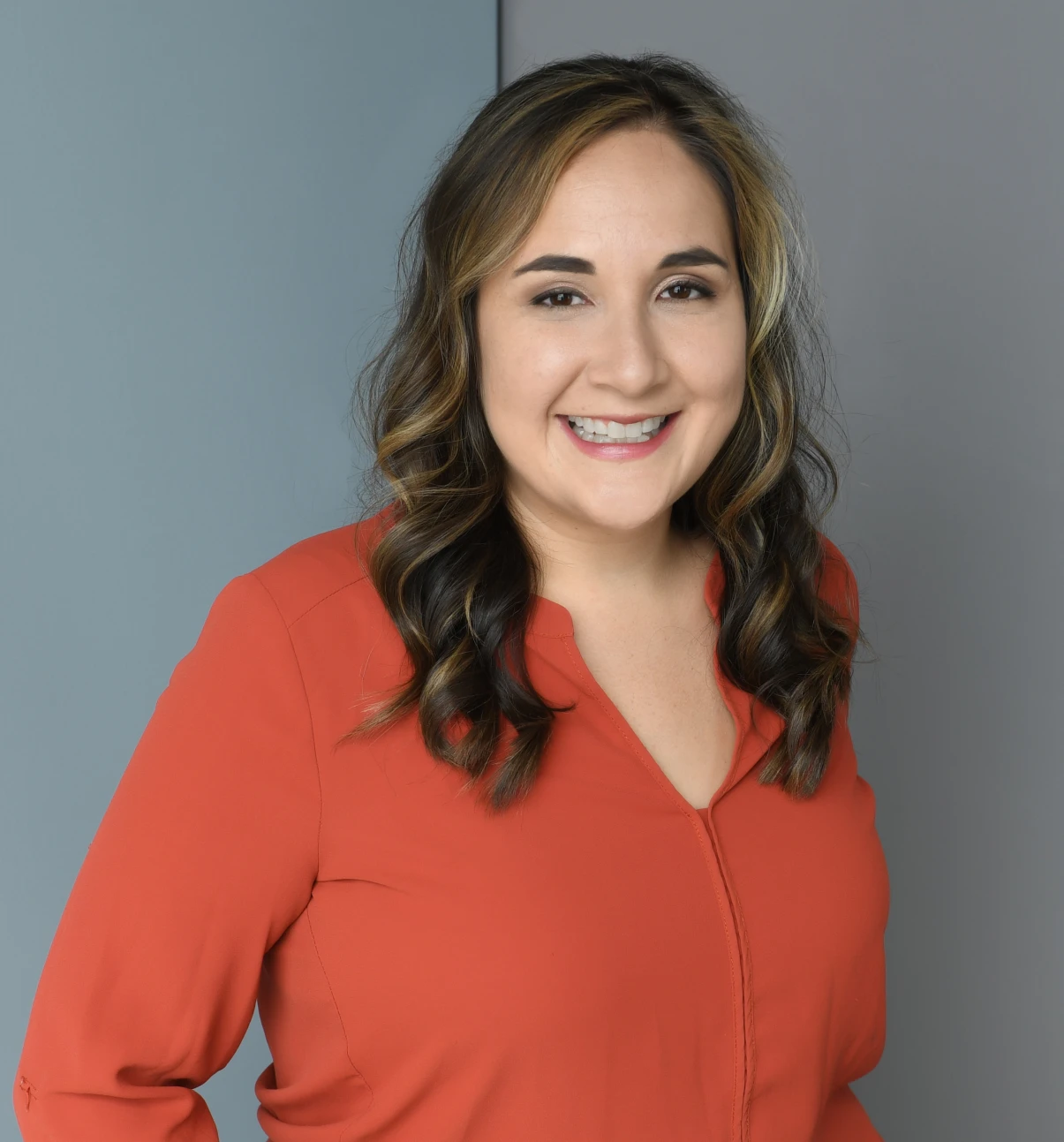
Samantha Jacobo tLMFT

Skyler Postel, tLMFT

Mellette Maurice, tLMFT

Chelsea Smorstad, LISW
Alicia Gerber, LMHC, RPT
Master’s Degree: Clinical Counseling Psychology, Loras University
Alicia has been serving as a therapist in Cedar Rapids for years, and has helped many people improve their lives with the quality therapeutic services she offers.
Contact UsSkyler Postel, tLMFT
Master of Art Degree: Marriage and Family Therapy, Mount Mercy University
Skyler has specialties in anxiety, body positivity, childhood mental health, depression, family conflict, first responders, grief, marital and premarital, relationship issues, school issues, women’s issues, LGBTQ+
Contact UsMellette Maurice, tLMFT
Master of Art Degree: Marriage and Family Therapy, Mount Mercy University
Mellette has specialized in LGBTQ+, Identity Issues, Substance Use, Intimate Partner Violence, Anxiety and Panic, Teens, Psychosis
Contact UsSamantha Jacobo tLMFT
Master of Art Degree: Marriage and Family Therapy, Mount Mercy University 2024
Couples work, infidelity, trauma, post traumatic stress disorder, obsessive compulsive disorder, attention deficit/ hyperactivity disorder, depression, anxiety, grief and adjustment disorders, sexual trauma, blended families, cognitive disorders after stroke
Contact UsChelsea Smorstad, LISW
Master of Social Work from St. Ambrose in Davenport, Iowa
Kids, Substance Abuse/Use, Individuals
Contact Us