

Depression Counseling in Cedar Rapids, IA
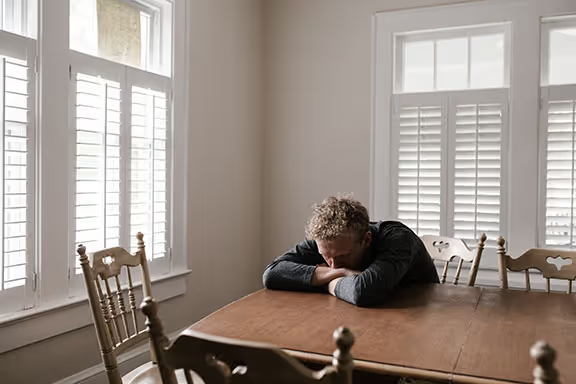
Understanding Depression
Depression is a complex mental health disorder characterized by several symptoms, including:
- Emotional: Persistent sadness, irritability, feelings of worthlessness, and a loss of pleasure in activities.
- Cognitive: Difficulty concentrating, negative thought patterns, and feelings of hopelessness and helplessness.
- Physical: Changes in sleep patterns, appetite, energy levels, and increased physical aches.
- Behavioral: Withdrawal from social activities, loss of motivation, and changes in movement.
How Depression Counseling and Therapy Can Help
Psychotherapy can provide a structured approach to managing depression by:
- Identifying problems: Helping individuals understand the specific life issues and circumstances that may be contributing to their depression.
- Changing negative thinking: Identifying and altering negative or distorted thought patterns that lead to feelings of hopelessness and helplessness.
- Modifying behaviors: Encouraging positive behavioral changes and incorporating enjoyable activities back into life.
- Improving relationships: Exploring interpersonal issues and improving communication skills to strengthen relationships that might be affected by depression.
- Developing coping skills: Providing tools and strategies to manage stress and challenges in a more positive and constructive way.
Depression in Children and Teens
Common Signs of Depression in Children
- Emotional Changes: Persistent sadness, hopelessness, irritability, anger, or frequent crying spells.
- Loss of Interest: No longer enjoying hobbies, games, or activities that were once fun.
- Changes in Sleep: Sleeping more or less than usual, or experiencing nightmares.
- Changes in Appetite: Eating significantly more or less food than before.
- Fatigue: Feeling tired, sluggish, or lacking energy.
- Physical Complaints: Headaches or stomachaches with no clear medical cause.
- Difficulty Concentrating: Problems with focus, attention, decision-making, and memory.
- Behavioral Issues: Irritability, tantrums, withdrawal from family and friends, and declining school performance.
- Negative Self-Perception: Feelings of worthlessness, guilt, or low self-esteem.
- Thoughts of Death or Suicide: In severe cases, suicidal thoughts can occur.
How Parents Can Support a Child with Depression
- Talk to a Healthcare Provider: The first step is to discuss concerns with a doctor or mental health specialist for an evaluation.
- Look for Changes: Be alert to any significant or lasting changes in your child's mood, behavior, or daily functioning.
- Be Patient: Children may not express their feelings directly and might show symptoms through acting out, making trouble, or appearing unmotivated.
How Play Therapy Supports Children with Depression
Children with depression often exhibit symptoms like irritability, withdrawal, and low self-esteem, which can be difficult for them to express verbally. Play therapy helps by providing a non-threatening and indirect way to address the underlying issues contributing to their sadness and low mood.
Key ways play therapy can help:
- Encourages emotional expression: Through toys, art, and storytelling, children can project their inner feelings and fears in a safe, metaphorical way. A child might use puppets to act out a family conflict or use a sand tray to create a scene that represents their internal world.
- Builds coping skills: During play, children can practice new behaviors and learn more adaptive ways to manage their feelings. They can develop resilience by working through challenging scenarios in a controlled, therapeutic setting.
- Enhances self-esteem and confidence: Depressed children often have feelings of worthlessness. Through play, a therapist can provide positive reinforcement and celebrate small successes, helping the child build a more positive self-image.
- Strengthens family relationships: Filial therapy is a form of play therapy that involves training parents to use therapeutic play techniques at home. This can improve parent-child communication, create stronger emotional bonds, and foster a more supportive family environment.
- Addresses underlying issues: By observing the child's play, a therapist can gain insight into potential triggers for depression, such as unresolved trauma, bullying, or family stress. This allows the therapist to address the root causes of the child's emotional distress
Meet Our Cedar Rapids Therapists
Here at Guiding Light Counseling Center, we have experienced and highly educated therapists who are passionate about helping people enjoy a better quality of life. Our therapist offer a wide variety of therapy services focused on helping to improve and better the lives of the people living in Cedar Rapids.



Alicia Gerber, LMHC, RPT

Samantha Jacobo tLMFT

Skyler Postel, tLMFT

Mellette Maurice, tLMFT

Chelsea Smorstad, LISW
Alicia Gerber, LMHC, RPT
Master’s Degree: Clinical Counseling Psychology, Loras University
Alicia has been serving as a therapist in Cedar Rapids for years, and has helped many people improve their lives with the quality therapeutic services she offers.
Contact UsSkyler Postel, tLMFT
Master of Art Degree: Marriage and Family Therapy, Mount Mercy University
Skyler has specialties in anxiety, body positivity, childhood mental health, depression, family conflict, first responders, grief, marital and premarital, relationship issues, school issues, women’s issues, LGBTQ+
Contact UsMellette Maurice, tLMFT
Master of Art Degree: Marriage and Family Therapy, Mount Mercy University
Mellette has specialized in LGBTQ+, Identity Issues, Substance Use, Intimate Partner Violence, Anxiety and Panic, Teens, Psychosis
Contact UsSamantha Jacobo tLMFT
Master of Art Degree: Marriage and Family Therapy, Mount Mercy University 2024
Couples work, infidelity, trauma, post traumatic stress disorder, obsessive compulsive disorder, attention deficit/ hyperactivity disorder, depression, anxiety, grief and adjustment disorders, sexual trauma, blended families, cognitive disorders after stroke
Contact UsChelsea Smorstad, LISW
Master of Social Work from St. Ambrose in Davenport, Iowa
Kids, Substance Abuse/Use, Individuals
Contact Us